- Rosary and The Way
- Inner Journey
- Spiritual Meditation
Spiritual Meditation
Spiritual Meditation
The Rosary is a map. Meditation is the journey.

For many years I walked through life sensing I was being led by an invisible hand — protected even when I wasn't paying close attention. It was in the crucible of grief, after losing my father and then my mother eight years later, that spiritual meditation became my lifeline.
Sitting daily with the Joyful and Sorrowful Mysteries, I made a profound discovery: Jesus and Mary had walked through a depth of grief that mirrored — and then exceeded — my own. Being present at the threshold of life and death for both parents was a gift, a sacred moment where an unexplainable peace settled over me and stayed.
That leap of faith eventually led me to serve as a Home Health Aide, where the Rosary moved from my lips to my hands. I learned that meditation isn't about escaping life — it's about finding the divine strength to stay present within it.
Prepare Your Heart
Let the Ave Maria anchor your thoughts before you begin.
Learning the Language of Silence
The modern world treats silence as empty space. Spiritual meditation knows otherwise — silence is where the conversation with God actually begins. Before diving into the Mysteries, we learn to be present in the now.
Through a Catholic lens, mindfulness is simply guarding the heart — noticing God's presence in each breath He gives us, quieting the noise to make room for the Word.
The Soil of Gratitude
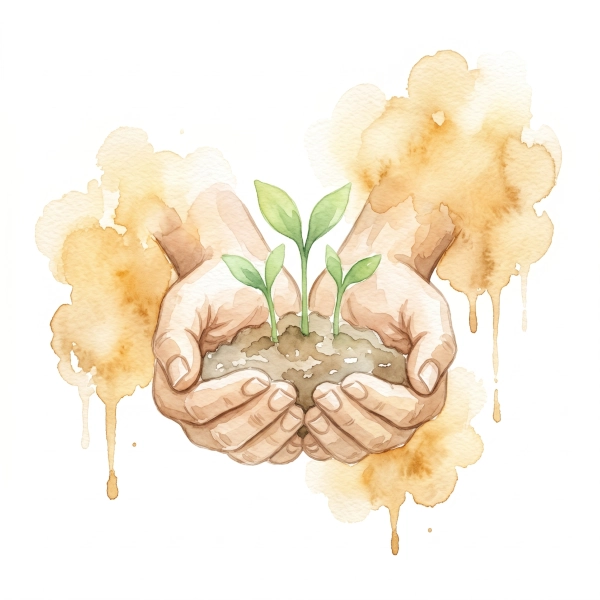
A heart without gratitude is a closed heart. Gratitude is the practice of tilling the soul's soil — making it soft enough for the seeds of the Gospel to take root.
Here we look for God's hidden seeds in everyday frustrations. Each ordinary moment becomes a sacred encounter; each challenge, an opening for grace.
Walking the Virtual Pilgrimage
Now we take all these tools — silence, presence, gratitude — and bring them to the Rosary. When you meditate on the Mysteries here, you are not just reading words. You are walking with Mary.
Look at the scenery. Hear the sounds of the Holy Land. Ask: "Jesus, what are You saying to me in this mystery today?" This is the turn from external prayer to inner transformation.
Understanding Spiritual Meditation
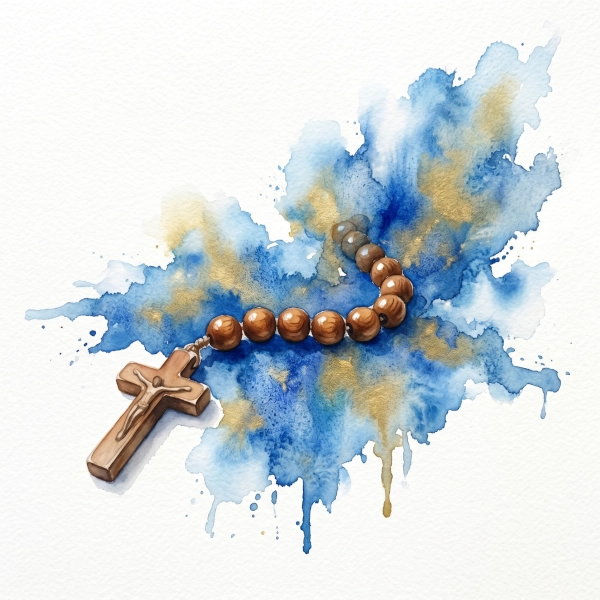
Secular practice often aims to empty the mind. Christian meditation — especially through the Rosary and Stations of the Cross — does the opposite: it fills the mind with the person of Jesus Christ. At RosarySeeds.com, spiritual meditation draws from the centuries-old traditions of Lectio Divina and Ignatian contemplation, applied to the beads in your hands.
Meditation is not an intellectual exercise alone — it is an encounter. The visual and audio elements on this site serve as anchors for the drifting soul, drawing it back to the sacred scene. Whether you are walking the Camino or sitting at home, meditation opens space for God to speak into your present circumstances.
Each seed planted through these reflections can bloom into a virtue — patience, humility, charity — that changes how you move through the world. That is the goal: to help you grow, one prayer at a time, until your life itself becomes a living meditation on the love of God.