- Rosary and The Way
- Inner Journey
- Contemplative Arts
- Norse Mythology
Norse Mythology
Norse Mythology
Norse Mythology reaches for an old story to sit with a very old ache — falling, and no one left to lift you back up.
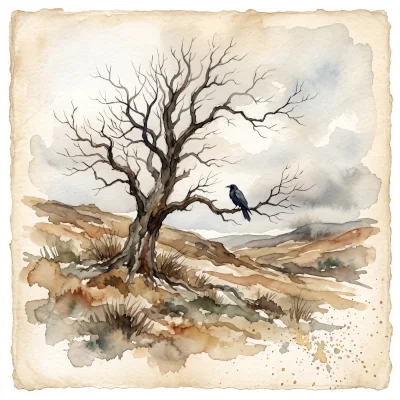
This stone, by the Basque writer Bernardo Atxaga, reaches into Norse mythology for its image — the moment the great god Odin falls, and no one is left to raise him back up. It's a small scene, but a heavy one: a figure of wisdom and power brought down, with nothing on the other side but absence.
There's no comfort offered here, no promise that things turn out fine. The stone just sits with the weight of it — loss, without a guarantee of revival. That kind of honesty is its own gift; it doesn't ask you to feel better before you're ready to.
Bernardo Atxaga — Author
Bernardo Atxaga is a Basque writer from Spain, born in 1951, known for weaving folklore and myth through his work.

Odin Fell
This stone centers on loss, particularly through the figure of Odin, who symbolizes wisdom and power in Norse mythology. His fall represents not just a physical defeat but a deeper existential crisis — the idea that once such a powerful figure is gone, the world feels the void left behind.
Odin is often associated with knowledge, war, and death, and choosing him as the central figure amplifies the emotional weight here, connecting personal loss to a much older, mythological context.
The setting of the meditation garden adds to the reflective nature of the stone, inviting anyone who reads it to sit with their own experiences of loss and their own search for meaning in the aftermath.

Three Falls, Three Stations
Jesus's first fall under the weight of the cross symbolizes the burdens we carry. What does it mean to rise again after a fall?
In His second fall, Jesus shows resilience. What practices can we adopt to strengthen our resolve during challenging times?
The third fall represents ultimate humility and surrender. How can we bring hope and revival to ourselves and to others, drawing on Jesus's journey and the promise of resurrection?
Guided Reflection
How can we find meaning in our own moments of suffering and despair, much like Jesus did during His falls on the way to the cross?
In times of struggle, what practices can help us remain steadfast in our faith, reflecting on Jesus's perseverance despite His falls?
How can we embody the hope of revival in our own lives and communities, inspired by the promise of resurrection that follows each of Jesus's falls?
As I Reflect on Odin and the Mysteries
This stone about Odin's fall connects deeply for me with the mysteries of the Holy Rosary, showing how hope and faith can guide me through tough times. Just as Odin's fall represents a moment of loss, Jesus's falls on His way to the cross remind me that everyone faces struggles.
When I pray the Rosary, I think about the important events in Jesus's life — His suffering and His resurrection — which teach me that after every hardship, there is hope for new beginnings. This stone encourages me to reflect on my own challenges and to understand that, like Jesus, I can find strength to rise again. By searching for meaning in both this stone and the mysteries of the Rosary, I can hold onto my faith and find comfort in knowing I am never alone in my struggles.
Station VI · The Sacred · You are here
Where would you like to go from here?
You do not have to decide all at once. These pages are nearby whenever you are ready. Stay as long as you need — and step forward only when you feel called.